Plaja Neptun
- Access: Acces public
- Lifeguard: No
- Umbrellas: No
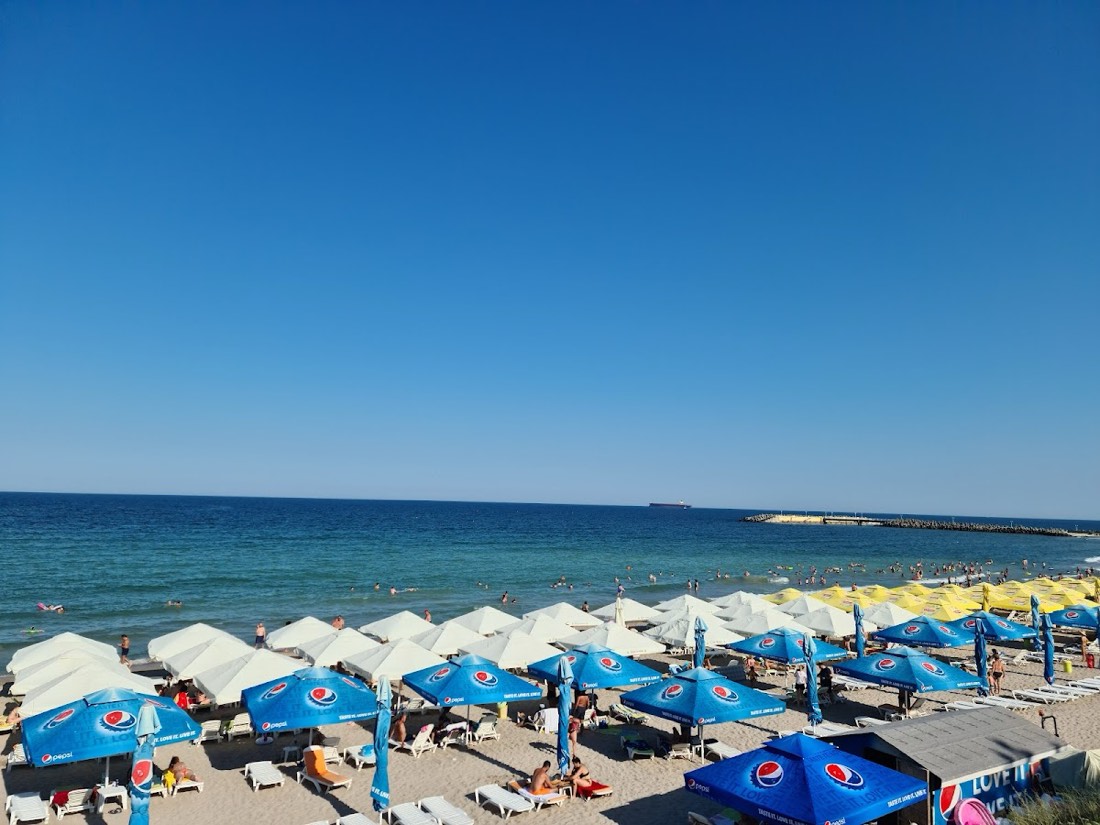
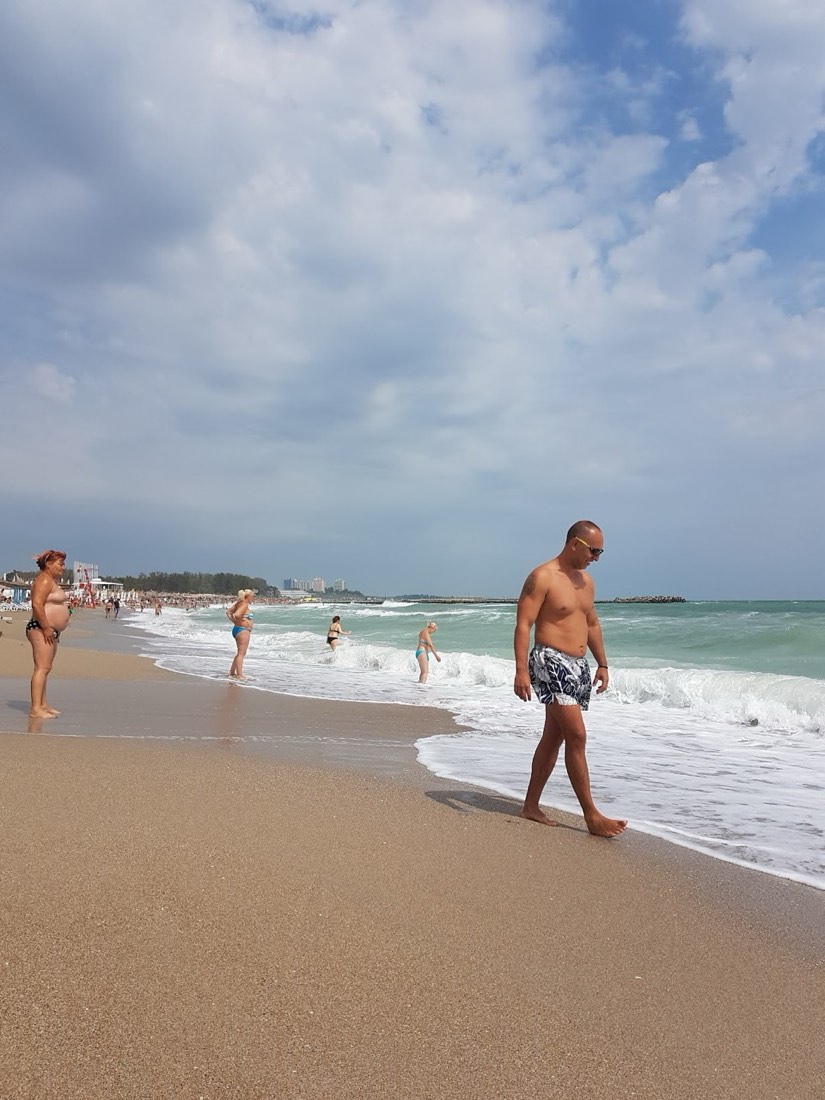
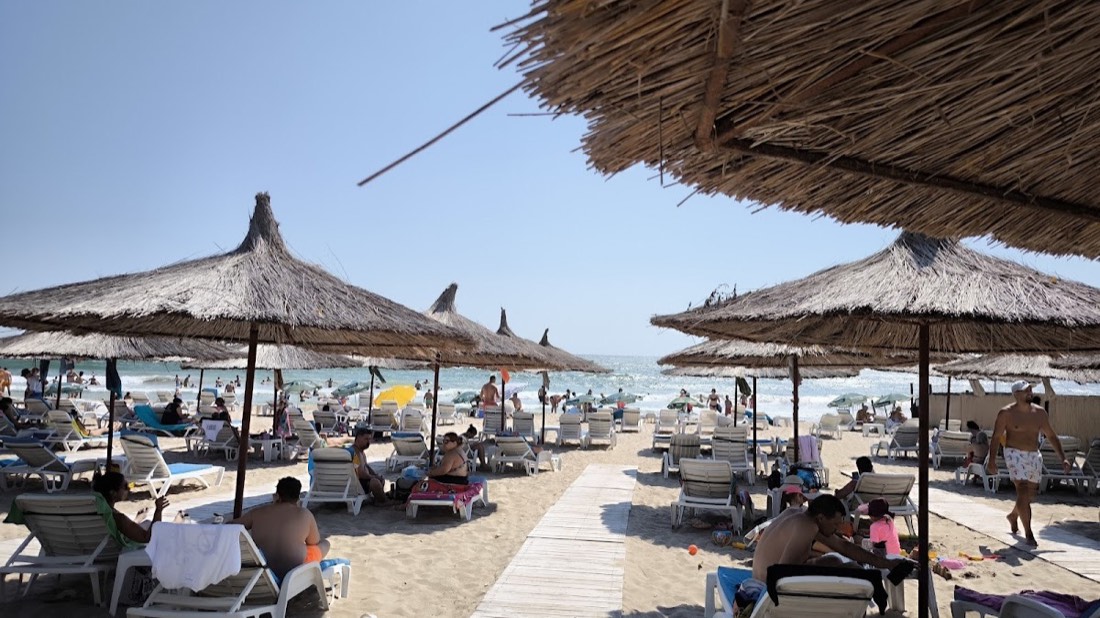
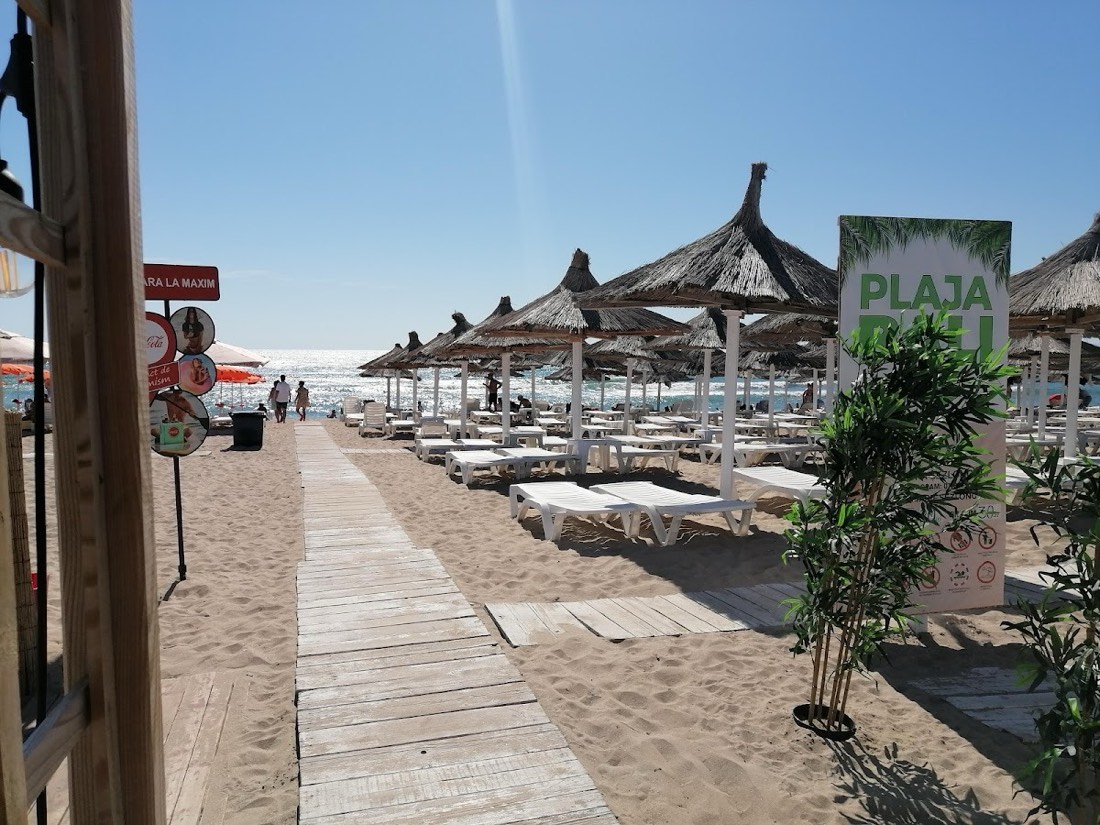
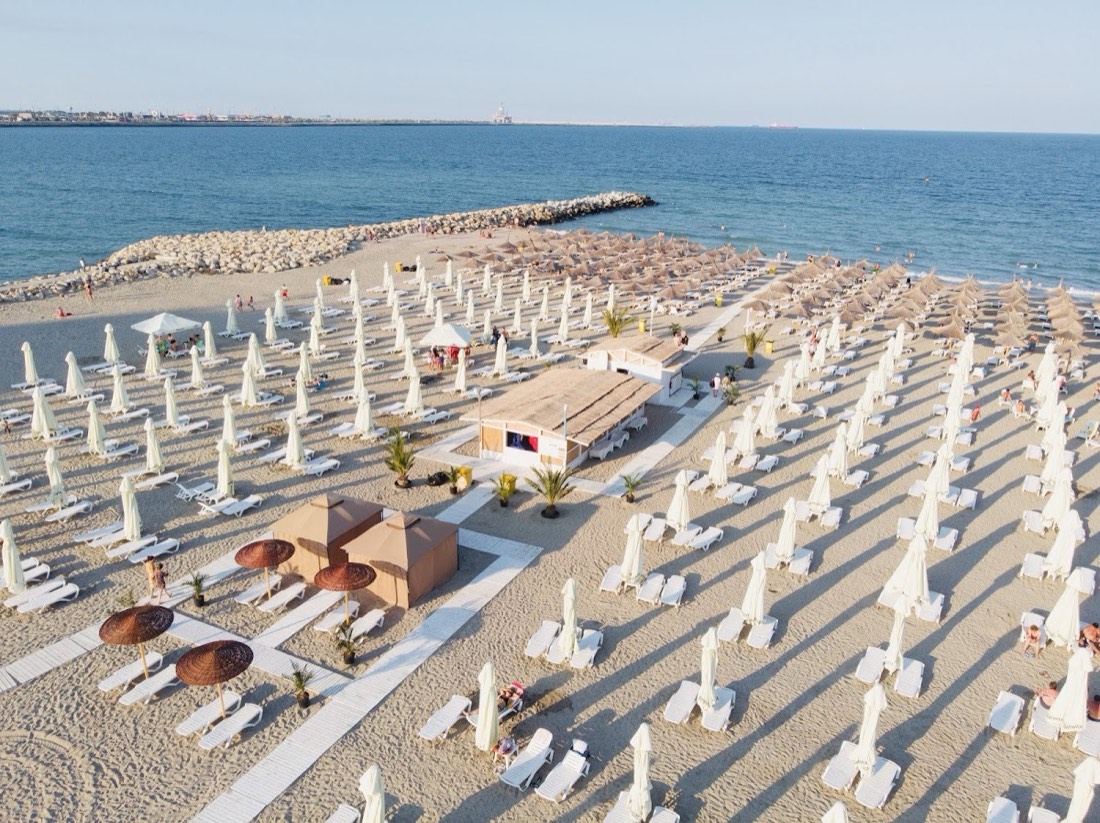
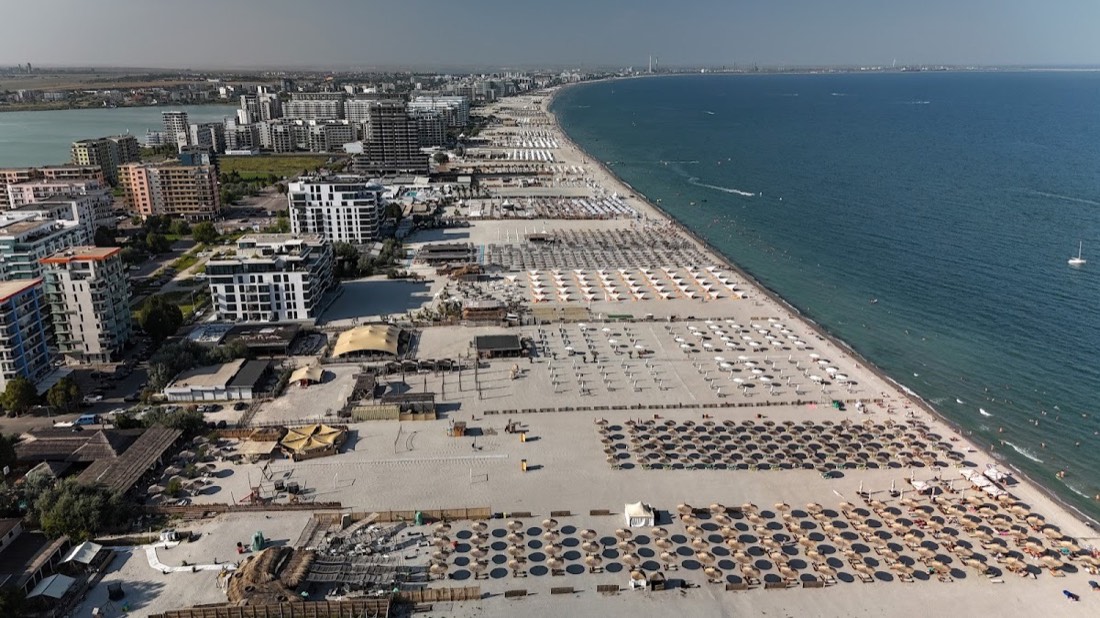
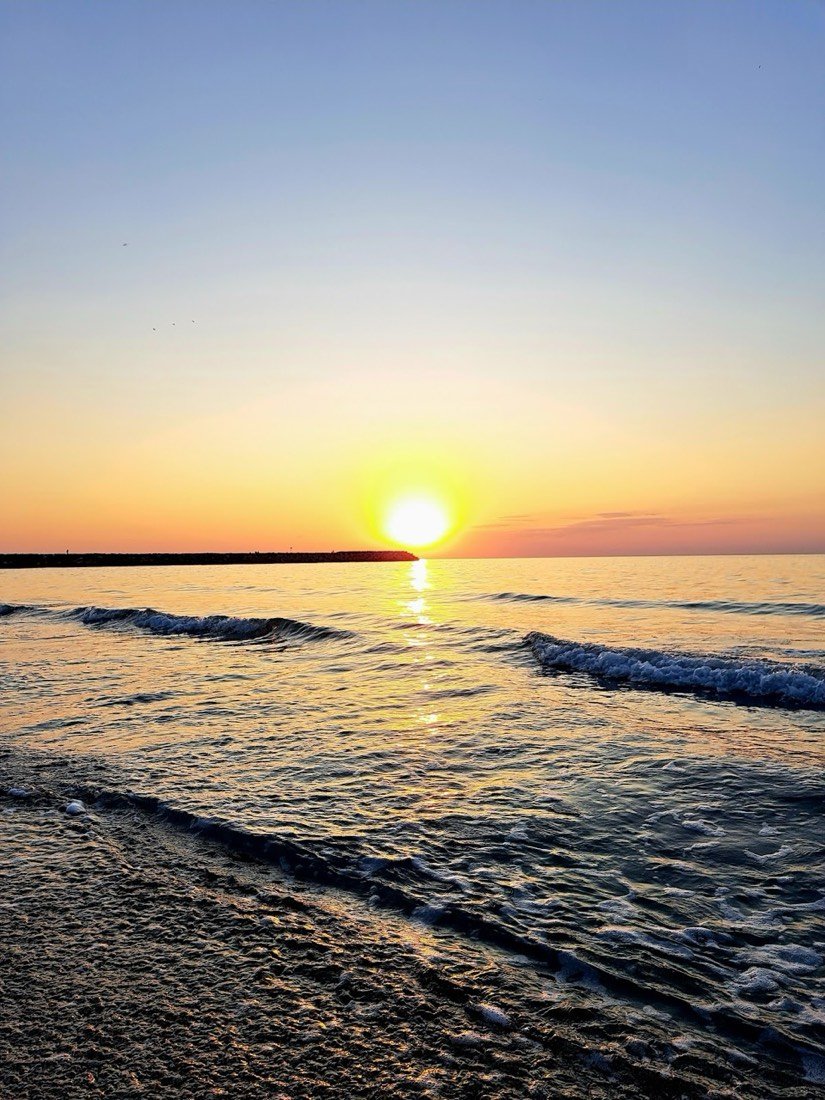
Beach in Neptun, on the Black Sea coast.
Beach crowd right now
About the beach
Neptune is the eighth planet from the Sun in the Solar System. Named after the Roman god of the sea, Neptune, it is the fourth-largest planet by diameter and the third-largest by mass. Neptune has a mass 17 times greater than that of Earth and slightly greater than that of Uranus, which is 15 times heavier than Earth but not as dense. Neptune orbits the Sun at a distance of 30.1 astronomical units, meaning its orbit is about 30 times larger than Earth's orbit. Neptune's astronomical symbol is ♆, a modified variant of the trident of the god Neptune.
Neptune was the first planet found through mathematical calculations. The planet Neptune was discovered because of gravitational perturbations in the orbit of Uranus, which led Alexis Bouvard to hypothesize the existence of an eighth planet. Neptune was subsequently observed on 23 September 1846 by Johann Galle, less than one degree from the position predicted by Urbain Le Verrier's calculations. Shortly afterwards its moon Triton was also discovered. Another 12 moons were discovered during the 20th century. On 25 August 1989, the Voyager 2 spacecraft passed through the planet's vicinity.
Neptune has a composition similar to that of Uranus, and the compositions of both planets differ from those of the larger gas giants, Jupiter and Saturn. Neptune's atmosphere is similar to that of Jupiter and Saturn in that it is composed mainly of hydrogen, helium, traces of hydrocarbons and possibly nitrogen, but it has higher proportions of water, ammonia and methane. Astronomers sometimes classify Neptune and Uranus as "ice giants" in order to emphasize these distinctions. Neptune's interior, as with Uranus, is composed mainly of rock and ice. The traces of methane in the upper layers of the atmosphere largely give the planet its bluish appearance.
Unlike the uniform atmosphere of Uranus, Neptune has an atmosphere with visible features that indicate meteorological activity. For example, in 1989, when Voyager 2 reached Neptune, a large dark spot was observed, similar to the Great Red Spot on Jupiter. These weather phenomena are produced by the strongest winds in the Solar System, whose speeds reach, according to measurements, 2100 km/h. Also, because Neptune is far from the Sun, it has one of the coldest atmospheres in the Solar System, with the temperatures of the upper cloud layers reaching -218 °C (55 K). The temperature of its core is about 5000 °C. Neptune has a system of two rings that are, however, hard to observe and fragmented; the existence of the rings was suggested by analyses of photographs of the planet from 1968, but definitive confirmation was made only in 1989 by the Voyager 2 probe.
Sursă: Wikipedia în limba română, CC BY-SA 4.0
Stays near this beach
Find hotels and guesthouses close to this beach.
Rezervările făcute prin această hartă susțin Litoral.Online (link-uri afiliate Stay22).
Useful services for your trip
Flights to Romania
Compare fares to Bucharest and Constanța from across Europe.
Search flightsAirport transfer
From Mihail Kogălniceanu or Otopeni airport to your stay.
Book a transferMobile data eSIM
Hassle-free phone internet — handy for foreign visitors.
See plansTours & activities
Guided trips, cruises and attraction tickets along the coast.
See activitiesSome links are affiliate links — if you book through them, you support us at no extra cost.
Explore Neptun
Everything for your stay, in one place.
Reviews (5)
- 22.04.2026
DanielGoogle
Locația este foarte frumoasă! Plaja destul de curată, o linie de scoici până la intrarea în mare dar ușor neglijabilă. Apa foarte curată, fără pietre, fără alge, limpede și apa până la geamandură este destul de mică precum o piscină naturală. Aproape de mal am găsit pui de peste, raci și meduze. Pentru unii poate fi un dezavantaj, pentru noi a fost drăguț sa ii privim. Prețuri decente la șezlonguri/bere draught.
- 22.04.2026
SUNFLOWER DGoogle
Frumoasă, apa foarte mică e bună pentru copii dar ar cam trebui curățată de pietre că mi-am julit picioarele rău. Nu mi-a plăcut fumul de țigară care te învăluie peste tot și nu ai unde sa te ferești. Ar trebui sa fie locuri speciale pentru fumat că sunt unii care parcă vin la plajă să fumeze non-stop.
- 22.04.2026
Marius Constantin CiobanuGoogle
Surprins plăcut de o plaja atât de curată , am fost in trecere fiind cazat la un alt hotel din împrejurimi ,nisipul fin , apa te duce cu gândul ca ești in Grecia . Recomand !
- 22.04.2026
georgiana neacsuGoogle
Inteleg nevoia de divertisment si diversitate a statiunii, insa Primaria ar trebui sa fie mai atenta cu curatenia din jurul statiunii si in loc sa aduca cantareti de "notorietate" precum vijelie si Jean Paler :)))), mai bine ar investi in mai multe pubele, centre de colectare selectiva, toalete publice GRATUITE, totodata, o mica sugestie : Exista vreo posibilitate de a impiedica ATV urile jandarmeriei/politie locala sa vina pana in buza mării? Per total, apa marii extrem de curata, statiunea plina de locuri deosebite, insa curatenia lasa de dorit!
- 22.04.2026
Vali AdamGoogle
E o plaja superbă și amenajată. Nisipul este fin, iar intrarea în mare este lină. Mergi foarte mulți metri în apă și abia ajunge apa la brâu. Nu sunt pietre sau scoici în apa și te poți relaxa lejer în apă. Preturi la șezlong între 25 și 35 de lei și este suficient loc și pentru cearșafuri. Sunt și destule coșuri de gunoi pe margine. Are și o mini-faleză unde e superb de stat seara/noaptea. Plaja mi se pare mult mai liberă decât în celelalte stațiuni și nu este înghesuială.